
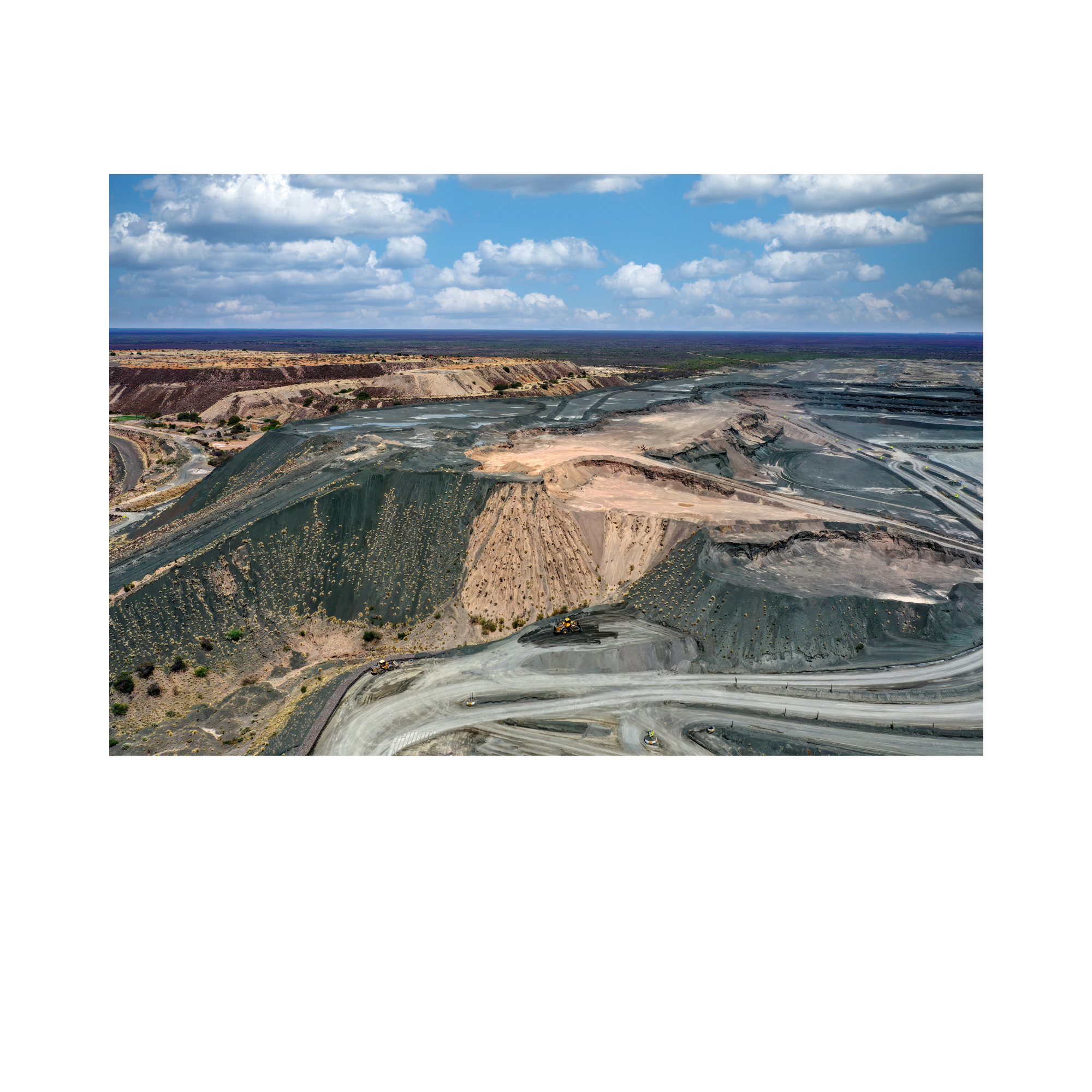
Using drones in mining might seem a strange idea. But recently, more mining companies are using drones for their operations. But what does it really mean to use drones in mining?
In short, it means:
Let the drone do the dirty, dangerous job – You just make the decisions!
Using drones in mining is not a future trend, it’s a competitive advantage today! Mining automation and using unmanned aerial vehicles (UAV) for mining have become essential for today’s mining as we have seen many changes in the structure of the industry.
According to Deloitte1, one of the 2026 mining industry trends that can become a competitive advantage is “Operational Agility”. It can be translated as:
Higher profit margins will come only after “connecting the pit to the office” in a more reliable, faster, safer, and cheaper way to gain real-time data to be utilized by the engineers and managers to make prompt and precise decisions.
Drones can do that for you. They can be useful for capturing and updating the actual 3D mine model, as well as for the safety of your employees and mining equipment. Regardless of having an open or closed pit, drones can be a significant asset for your operations.
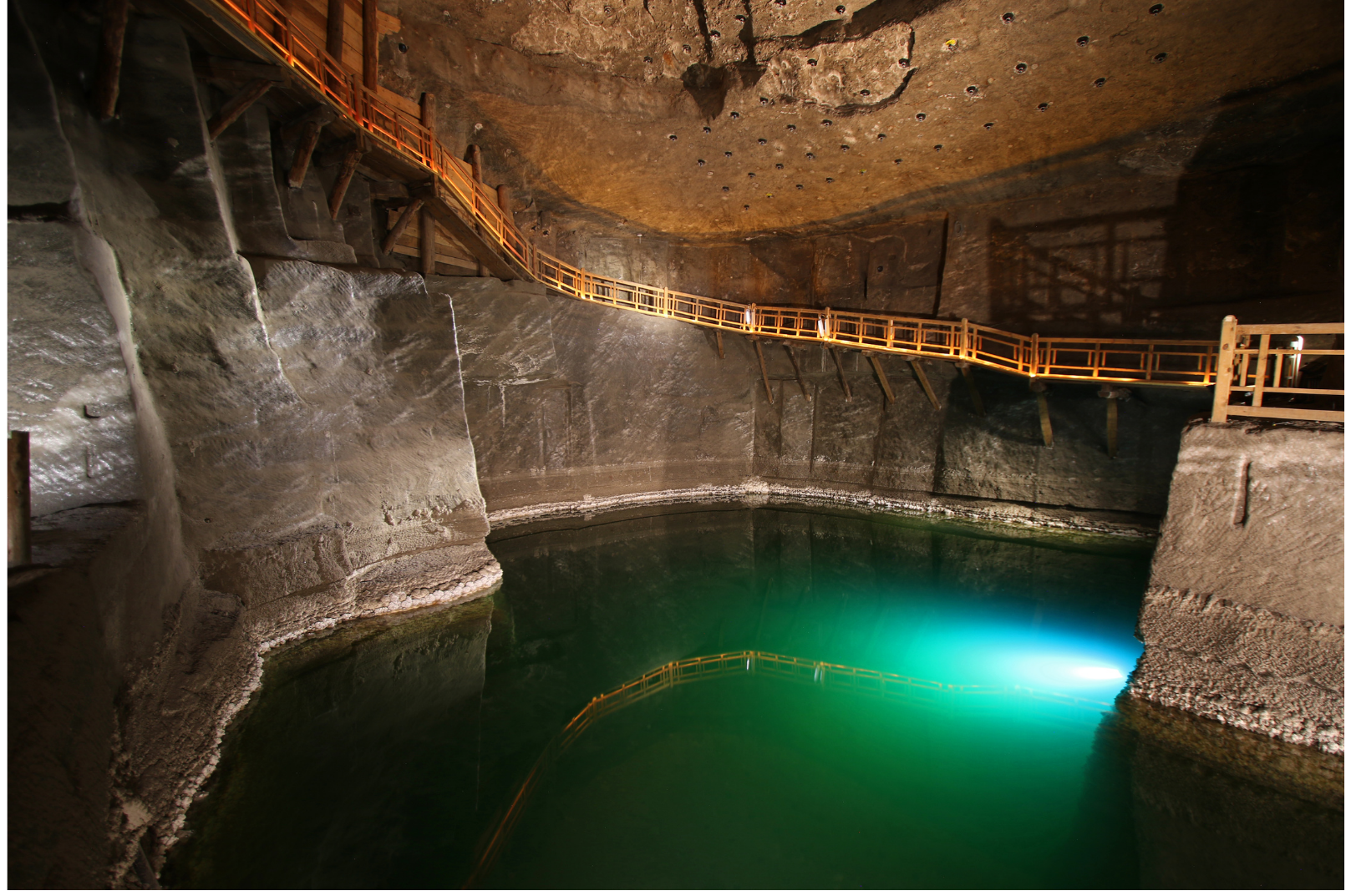
What are the applications of drones in mining?
Drones can play an important role in automating tasks for the operators, leading to considerable cost reduction and downtime minimization. But most importantly, drones can keep people away from live pit environments and dangerous zones, making the site a safer place for everyone.
In general, drones in the mining industry can be used to provide benefits in three major categories:
1. Digital Twins for mine sites – High-Precision and smarter Mining
Nowadays, a digital twin for mine sites is no longer a luxury; it is a fundamental requirement for improving the operations, achieving more precision, and reducing operation duration. By having an actual 3D model of the mine site and updating it regularly, operators can move from “guessing” to “knowing” and remove the operations based on guessing that is quite common in mining.
Drones with advanced sensors allow for the following:
- Precise Volume Calculations: Calculating stockpile volumes with higher accuracy than traditional ground-based methods in a short time.
- Dynamic 3D Survey Mapping: Updating 3D pit models constantly to reflect real-time changes in the landscape.
- Visual Intelligence: Using panoramas and video inspection for blast capture and monitoring the structural integrity of berms and pit walls, especially for open-pit mine sites.
2. Solving the Surveying Challenges
In the mining industry, we need to perform frequent surveys in both horizontal and vertical spaces. In the traditional way, engineers and surveyors have to walk large areas with ground survey tools, yielding limited data. In dangerous zones, sometimes they have to pull expensive production equipment, such as loaders, off their primary jobs just to attach a scanner to complete the survey. From a high-level point of view, these challenges can be categorized as follows:
- Inspection and surveying of vast areas: Doing this on foot, considering the vast area of the mine, can be very slow, and the final results won’t be complete or in real-time.
- Inspection and surveying of areas with limited accessibility or dangerous zones: Sometimes, when we must do the survey in places with narrow accessible entrances or dangerous zones, surveying on foot can be even impossible!
- The GPS-denied struggle: The underground mining areas present a nightmare for traditional tech: zero light, heavy dust, and no GPS signal.
The solution is using drones. Using unmanned aerial vehicles for mining can cover more ground in a single flight than a human can in a week and provide accurate, real-time surveying data. Whether you have an autonomous drone or a teleoperated model, they navigate GPS-denied tunnels and stopes, and provide accurate geographical coordinates with LiDAR, IMU, cameras, or odometry tools, depending on the model and application of the drone 2&3.
3. Safety and Predictive Actions
Working in mines has always been categorized as one of the most high-risk and difficult occupations. But drones are helping to push it to the bottom of the list:
- Drones for incidents in mining – Using drones in mining has proven to have significant results in responding to incidents in the following aspects:
- Fast incident response: When something goes wrong in a mine, every minute is important. Drones can give teams a fast way to assess the scene without sending people directly into unstable or blast-affected areas. In incident response, the drone becomes the first eyes on site, helping supervisors understand what happened, where the danger is, and what needs attention first.
- Safety – Safety for the employees is one of the most important subjects in mining. A mine site is a dangerous place after a blast or accident. If we send a drone for inspection to a dangerous zone and everything collapses, we have saved a few lives!
- Insurance Claims: Drones can be beneficial for post-incident inspection for insurance claims and reporting. We have worked with clients who, instead of only relying on eyewitness accounts or delayed ground checks, used drones to capture high-resolution images, video, and mapping data that documented the condition of equipment, haul roads, stockpiles, or infrastructure after the incidents. The evidence was used later to support internal investigations, claims processing, and recovery planning.
- Drones for predictive maintenance – In mining, Safety is often reactive: “Something breaks or falls, and then we fix it”. Drones can flip this script. By leveraging digital twins and AI, companies can assess the live condition of the mine. Instead of waiting for a wall to fail, sensors flag hazards from a safe distance. Whether it is an open-pit or a closed-pit mine, drones are designed to go where humans shouldn’t. They navigate confined, hazardous locations like old workings and tunnels, capturing comprehensive data in less than an hour.
4. In-house vs outsourced drone programs in mining industry
One of the most crucial decisions when using drones for mining is whether to hire someone else to do the work or do it in-house. Outsourcing can be a good place to start, especially for businesses that want to see how useful drone data is without having to buy equipment or train employees. But when drone operations become a weekly (or even a daily) routine, a lot of mining companies start to see the benefits of keeping the program in-house:
Frequency: The main benefit of an in-house vs outsourced drone programs is that it happens frequently. Outsourced surveys usually only happen once a month or once a quarter because each flight needs to be planned, staffed, and billed as a separate service. In-house teams, on the other hand, can fly every day or every week. This makes time-series data that shows how stockpiles, pit walls, haul roads, and work zones change over time. That higher frequency makes it easier to see things, make decisions faster, and plan more accurately4.
Speed: When the drone team is already on site, they don’t have to wait for a contractor to come in, set up, and finish the job. This “zero lead time” method is especially useful when the site needs a quick update after blasting, rain, moving equipment, or something else strange happens. It also lets mining teams deal with safety problems and changes in operations more quickly while the information is still up to date5.
Cost: At first, outsourcing may seem cheaper, but the costs can add up quickly if surveys are needed often or if multiple areas need to be checked in the same month. In-house operations usually cost more up front, but they can lower the cost per flight over time because the same team and equipment can be used on multiple flights. That can make the in-house model more cost-effective in the long run for active mines that need surveying done all the time.
Internal knowledge: Internal drone programs tend to build stronger internal knowledge. As time goes on, the team learns more about the site, the workflow, and the issues and challenges that are most important to engineers and supervisors That familiarity with the site and the typical missions improves the quality of the surveys and outputs and make them more accurate for decision-making.
Drone data Security in mining: Data related to the mines is confidential and very sensitive, as it can reveal ore body signatures, production rates, and other valuable information that could be valuable for competitors. Companies can maintain control over where data is stored and who can access it by using in-house UAV for mining rather than outsourcing to third parties to maintain their Drone data Security 6&7.
In short, to compare in-house vs outsourced drone programs, outsourcing can help you start and have the trials you need to make the decisions and build your new processes but running the drone program in-house help you scale with more speed, more data, and more control.
Overcoming Cultural Inertia
The transition to the new operating model of performing daily inspections and survey tasks with drones is not without friction. Restructuring an organization at scale is not easy. At first glance, it might seem to be resource intensive. However, in the long term, it will not just provide accurate data, but with reducing operation time, freeing up employee times, providing safety, and minimizing the “guessing” for finding the source of problems, the ROI becomes undeniable.
At FLYY, we have helped many mining companies to set up their in-house drone service and use unmanned aerial vehicles for mining to get the most out of this approach, deliver fast, trustable results, increase safety, and keep their data safe in order to increase their performance and ROI.
Want to know where to start from?
Kate Klassen is an experienced drone pilot who has worked with various industries, including gas, oil, and mining in Canada, and she can provide experience, information and guidance you need to start using drones in your mine.
You can read more about drones for the mining industry here.
Resources:
- https://www.deloitte.com/content/dam/assets-shared/docs/industries/energy-resources-industrials/2026/tracking-the-trends-2026.pdf
- https://www.rockrobotic.com/articles/the-advantages-of-drone-mapping-vs-traditional-methods/
- https://www.dronitech.com/roi-of-drone-mapping-real-case-studies/
- https://candrone.com/blogs/news/from-days-to-hours-drone-surveys-that-slash-downtime-in-open-pit-and-underground-mines
- https://microavia.com/news/drones_for_mining_safety_surveillance_inspection_and_more
- https://www.westernalliance.ca/in-house-or-contract-security/
- https://www.cyber.gc.ca/en/guidance/cyber-security-considerations-drone-use-itsap00143